

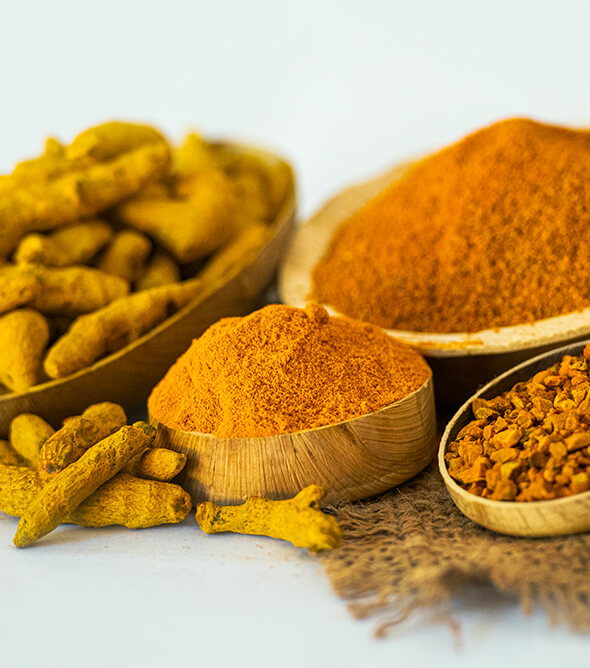
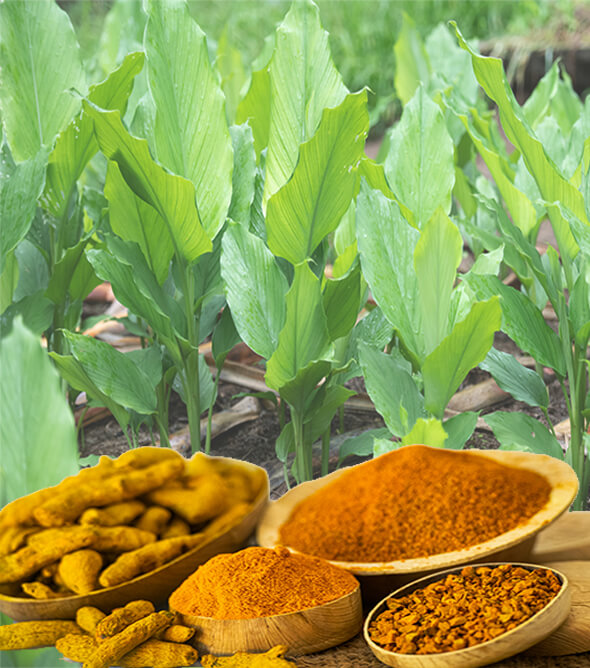
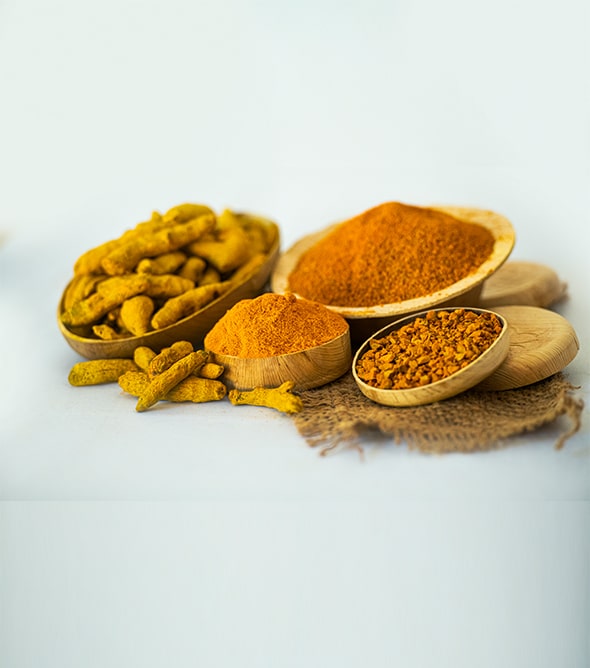
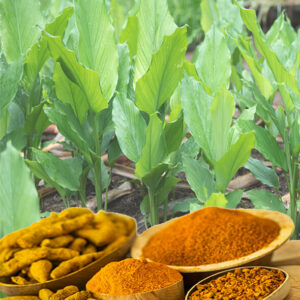
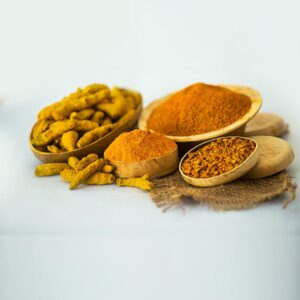
Sri Lankan turmeric, known for its vibrant color and potent medicinal properties, is derived from the rhizome of the Curcuma longa plant. The flesh of the turmeric rhizome typically appears orange-brown, yellow, or reddish-yellow. When dried and ground, turmeric transforms into a bright yellow-orange powder, prized for its rich hue and diverse uses. The color is primarily due to compounds called “curcuminoids,” which also contribute to turmeric’s therapeutic benefits. In Sri Lanka, turmeric is not only a staple in cooking but also in traditional medicine, with growing demand for its cultivation.
Classification
- Scientific Name: Curcuma longa
- Family: Zingiberaceae
- Order: Zingiberales
- Rank: Species
- Kingdom: Plantae
Health Benefits
- Antibacterial and Antiviral Properties: Turmeric has mild antibacterial and antiviral actions, making it useful in preventing infections.
- Immune System Support: It is known for its immunoenhancing effects, helping to boost the body’s natural defense mechanisms.
- Blood Sugar Regulation: Turmeric exhibits mild anti-diabetic properties, aiding in the reduction of high blood sugar levels.
- Respiratory Health: The spice improves respiratory function by helping to expel lung phlegm, making it beneficial for colds and coughs.
- Wound Healing: Turmeric’s wound healing abilities are well-recognized; applying boiled turmeric powder can help control skin infections and promote faster recovery.
In addition to its culinary and medicinal uses, Sri Lankan turmeric is becoming increasingly popular in the global market for its superior quality. Its versatility extends beyond the kitchen, making it a valuable crop with significant health benefits and economic potential.
Reviews
There are no reviews yet.