

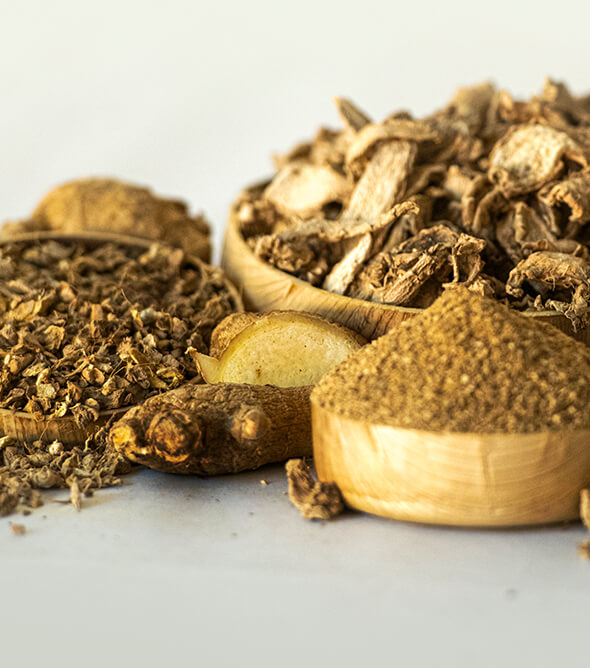
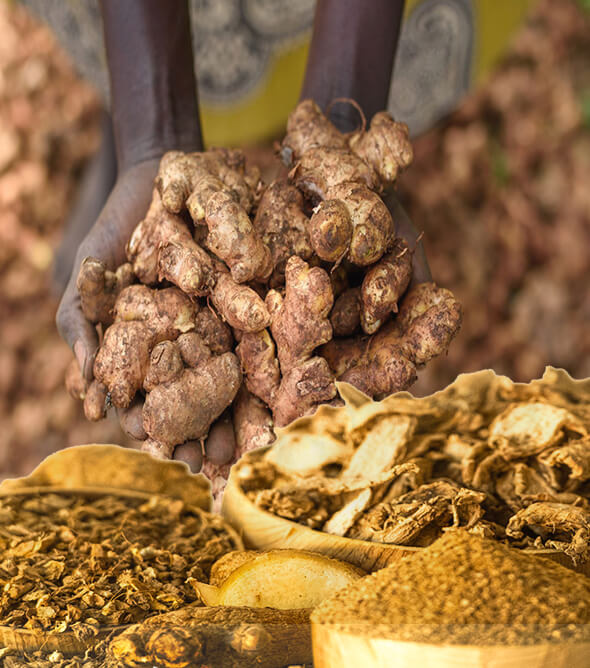
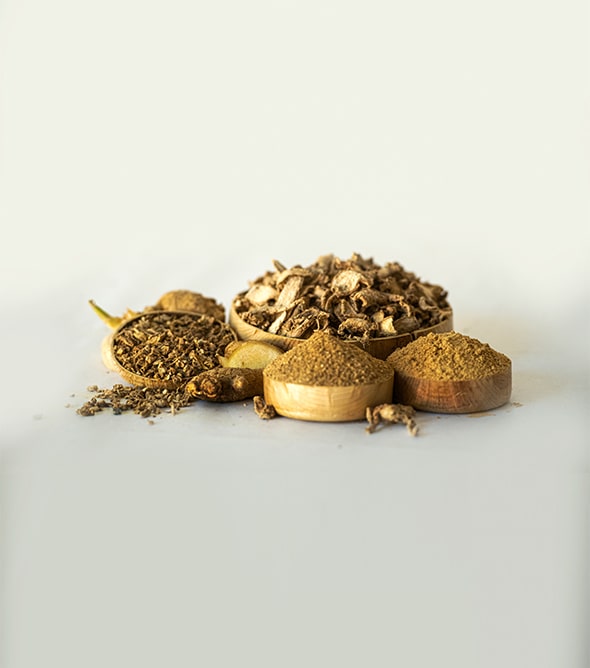
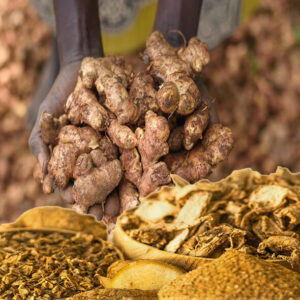
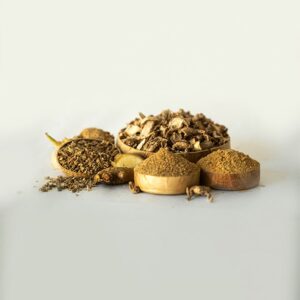
Ginger (Zingiber officinale) is a versatile, herbaceous perennial plant belonging to the Zingiberaceae family, cultivated primarily for its aromatic and flavorful rhizome. This underground stem, commonly known as ginger root, features a brown exterior with a corky texture and a fragrant, pale-yellow interior. In Sri Lanka, ginger is highly valued both as a spice and as a traditional remedy in folk medicine.
Scientific Information:
- Scientific Name: Zingiber officinale
- Family: Zingiberaceae
- Order: Zingiberales
- Rank: Species
- Kingdom: Plantae
Health Benefits:
- Digestive Aid: Ginger acts as a natural appetizer, reducing flatulence and enhancing digestion and nutrient absorption, making it an excellent choice for digestive health.
- Cardiovascular Support: Regular consumption of ginger has cardioprotective properties, helping to strengthen the heart muscle and promote overall cardiovascular health.
- Immune Booster: Ginger is known for its immune-enhancing qualities, particularly beneficial in combating viral respiratory disorders.
- Respiratory Health: It helps reduce the production of excess mucus in the lungs, aiding in clearer breathing and respiratory function.
- Anti-Clotting Agent: Ginger contains properties that help reduce blood clot formation, contributing to better circulatory health and reducing the risk of clot-related conditions.
Usage: Widely utilized in Sri Lankan cuisine, ginger adds a distinctive flavor to dishes while offering numerous health benefits. It is also a key ingredient in traditional remedies, valued for its potent medicinal properties. Whether used in cooking or as a natural health remedy, ginger remains an indispensable part of Sri Lankan culture and wellness practices.
Reviews
There are no reviews yet.